Interventional Cardiology
Understanding Primary PCI: Emergency Stenting for Acute ST-Elevation Heart Attacks
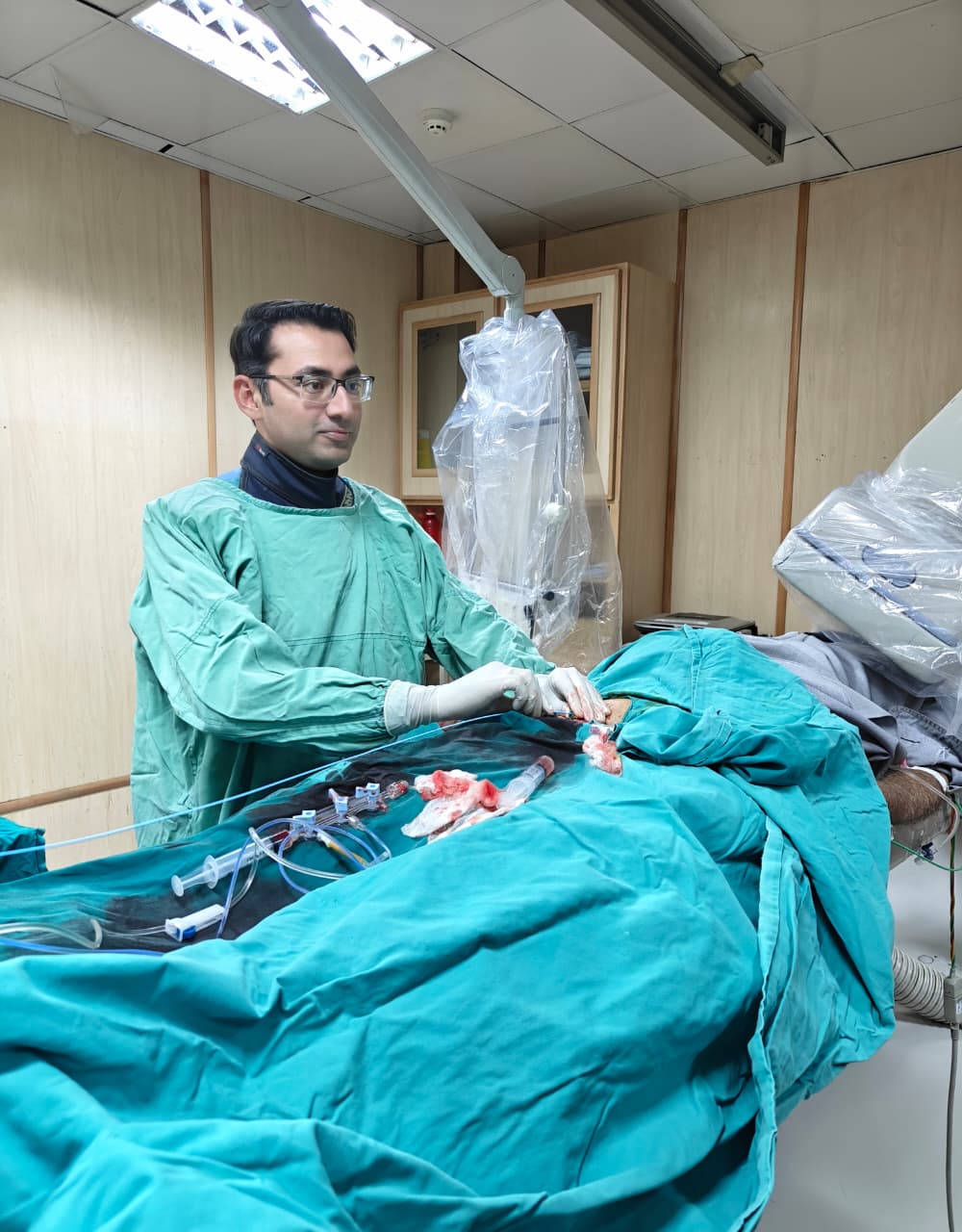
An acute ST-Elevation Myocardial Infarction (STEMI) is an extreme medical emergency. STEMI occurs when an atherosclerotic plaque ruptures inside a coronary artery, triggering a blood clot that completely halts blood flow to the heart muscle.
Key Clinical Takeaways:
- Time is Muscle: Every 30-minute delay in revascularization increases 1-year mortality risk.
- Primary PCI Advantage: Restores mechanical arterial flow faster and safer than clot-dissolving drugs.
- DES Protection: Modern Drug-Eluting Stents prevent restenosis (arterial re-narrowing).
What is Primary Percutaneous Coronary Intervention (PCI)?
Primary PCI is an emergency catheterization procedure performed without prior clot-dissolving drugs to re-open the blocked artery mechanically. In a specialized Cardiac Catheterization Laboratory (Cath Lab), an interventional cardiologist passes a micro-wire across the lesion, dilates the vessel with a balloon, and implants a modern Drug-Eluting Stent (DES).
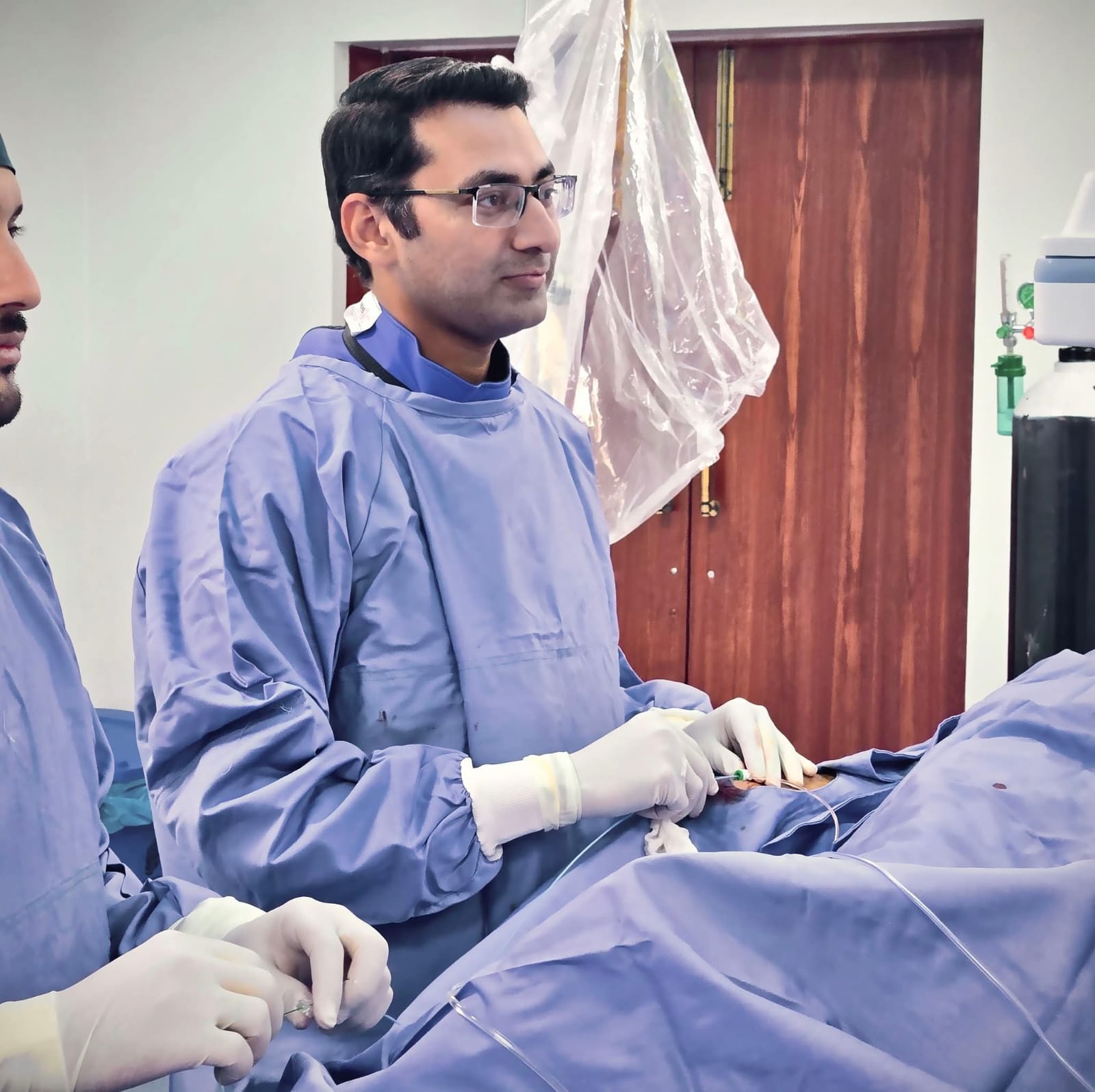
Written by Dr. Azhar ul Hassan Qureshi
MBBS, FCPS Cardiology, FCPS Interventional Cardiology, EECC ESC. Over 2,000 angiograms and 500 PCI procedures performed.